
Water
Uncompromising security for essential Water Assets.
Electricity
Allied Locks is a trusted leader in the Electricity Industry, supplying the majority of the Electricity industry in New Zealand and with a strong presence in Australia.
Land Access
Protecting forestry, farm, and council assets with locking solutions built to withstand the harshest environments — reliable, field-proven, and ready for the real world.
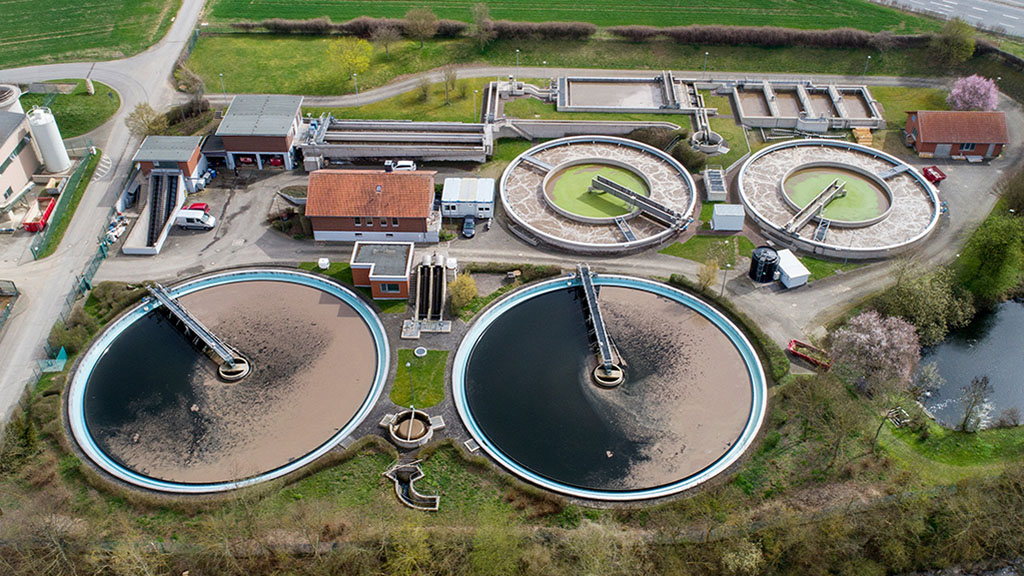
Water
Uncompromising security for essential Water Assets.
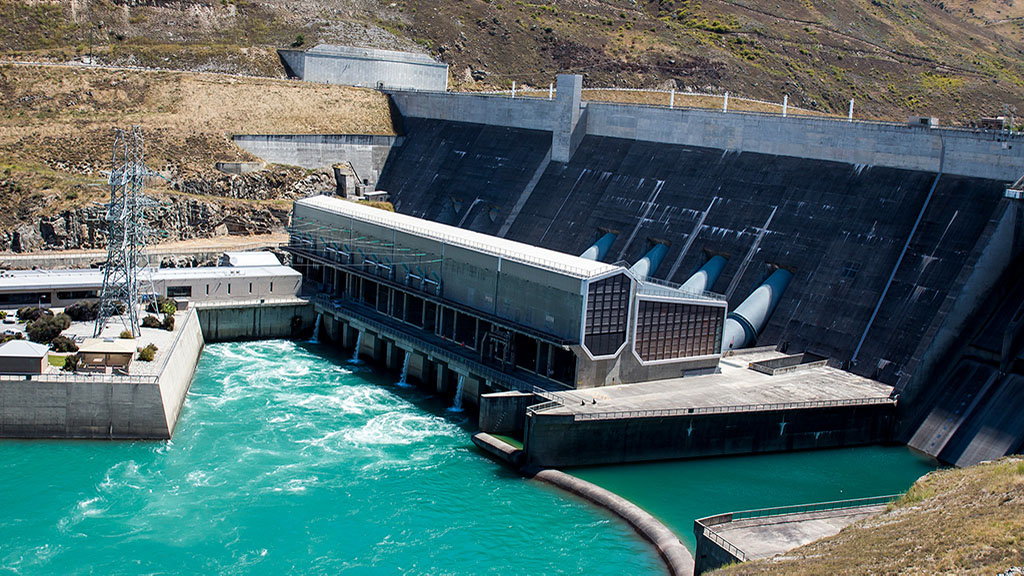
Electricity
Allied Locks is a trusted leader in the Electricity Industry, supplying the majority of the Electricity industry in New Zealand and with a strong presence in Australia.

Land Access
Protecting forestry, farm, and council assets with locking solutions built to withstand the harshest environments — reliable, field-proven, and ready for the real world.
Allied Locks specialises in protecting the integrity of entry and egress management for industries and infrastructure throughout New Zealand and Australia. No challenge is too great. No location is too remote, no environment too extreme.
Consultation
We provide consultation onsite, if required, along with product and system recommendations and proposals including timelines, costing, delivery and installation.
- Ask us anything
- Immediate action
- Planning
Audit
This service takes an in-depth look at your current systems, potential risks and liabilities, and optimal solutions.
- Undertaken by experts
- Informed by best practice nationally and globally
- Compliance
- Quantifiable results for quality actions
Support
Allied Locks back-up our products with expert advice and technical support whenever you need it.
- Expertise when you need it
- Peace of mind
- Training programmes
- Rigorous guarantees